
The Context Engineering Revolution
The Quiet Revolution Most Leaders Are Missing

There is a quiet but profound revolution happening in enterprise AI right now, and most leaders have no idea it’s underway.
For the last two years, boardrooms and headlines have been filled with buzzwords: “Prompt engineering.” “AI-first thinking.” “ChatGPT for the enterprise.” Companies are pouring millions into innovation labs, deploying flashy chatbots, and hiring new teams to optimize how they ask questions of AI.
But a small group of organizations is quietly working on something different—something far more fundamental and disruptive. They’re not just trying to get better answers from AI. They’re architecting better environments for AI to think within.
This is the rise of context engineering. It’s the art and science of giving AI not just questions, but the richest, most relevant context in which to answer them. Context engineering is rapidly becoming the single greatest driver of competitive advantage in the age of AI.
From Prompt Engineering to Context Engineering
The industry spent the last 18 months obsessed with prompt engineering. Everyone was looking for clever ways to ask questions, the perfect string of words to coax the best possible answer from a language model. This made sense when models were limited and context windows were small.
But the world changed. The underlying technology leapt forward. AI models now handle millions of tokens, which means they can process entire company histories, complete product catalogs, years of emails, market data, and real-time signals—all at once.
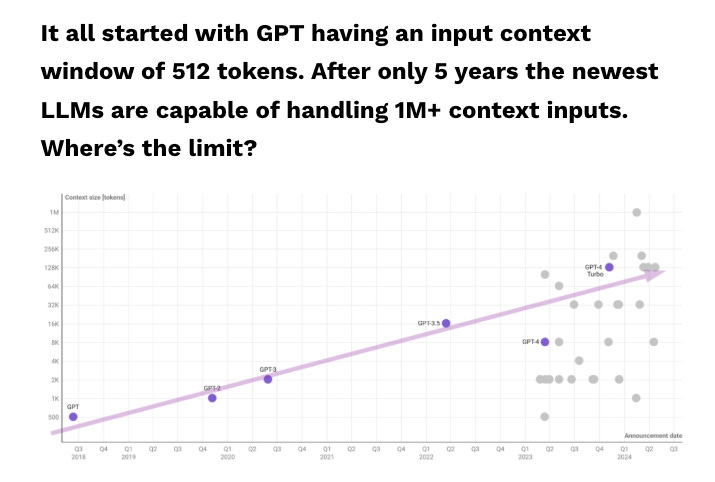
Suddenly, it’s not about asking a better question. It’s about what information you give the AI to reason with.
Prompt engineering taught us to optimize our questions. Context engineering teaches us to optimize our answers.
In this new era, leaders aren’t asking, “How do we prompt the AI more cleverly?”
They’re asking, “What data, context, and organizational memory does our AI need to think like our very best strategist?”
The Enterprise AI Trap: When Innovation Becomes Theater
Walk into any Fortune 500 company, and you’ll see it.
AI innovation labs show off demos. Teams build tools that mostly answer random queries. Digital transformation projects boast big budgets, but often have little to show for it.
If you dig into the actual results, a troubling pattern emerges. Most enterprise AI initiatives are stuck in a shallow loop, treating AI like a fancy Google. The thinking goes: if you just ask it the right question, magic will happen.
But this isn’t how competitive advantage works. No one wins by simply asking better questions. The real edge comes from bigger, richer, and more dynamic context windows.
When AI models expanded from handling thousands of words to over a million tokens, everything changed. Now you can feed the system your entire customer database, years of support conversations, every piece of competitive intelligence, real-time market signals, and more. And it all happens simultaneously.
To put it simply, it’s like going from reading a single memo to having the entire organizational memory, every customer complaint, every competitor’s move, and all current market data at your fingertips, for every decision.
Most companies are still asking, “How can I prompt the AI better?”
The winners are asking, “What does my AI need to know to think like my most effective strategist?”
The End of Prompt Engineering and the Rise of Context Engineering
The era of prompt engineering is over.
The era of context engineering has begun.
This is a profound shift. Instead of tweaking how you ask the question, context engineering optimizes what the AI can “see” and process when it makes a decision.
Context engineering is about architecting the information environment.
What data sources matter for which business decisions?
How does information flow across teams, products, and markets?
What context enables AI to reason like your best analysts, your most visionary product managers, and your most trusted advisors?
It means designing the entire information supply chain, not just what’s available, but what’s prioritized, structured, and surfaced for the AI at the exact moment of decision.
